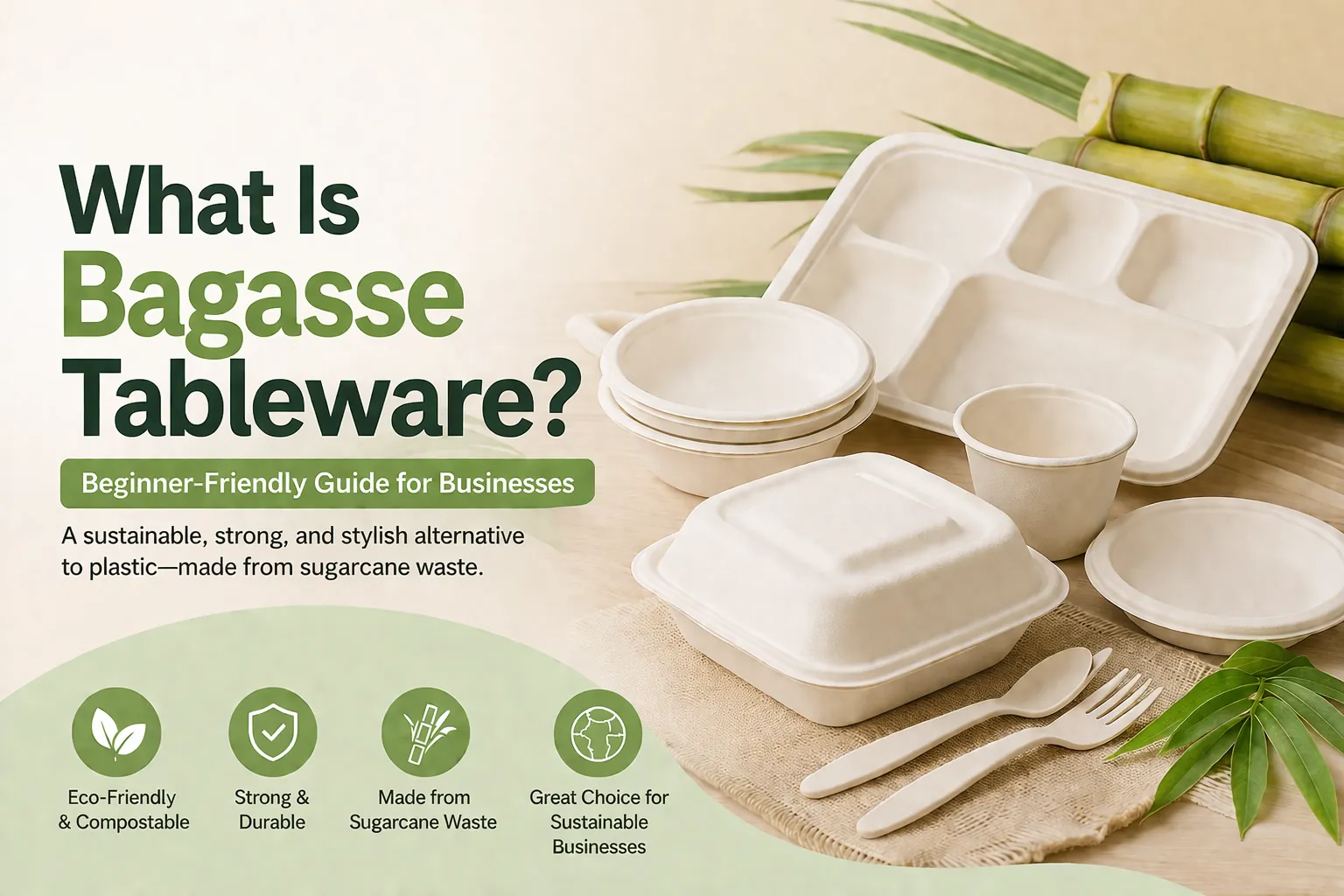
What Is Bagasse Tableware? Beginner-Friendly Guide for Businesses
A clear, non-technical explanation of bagasse tableware — what it is, how it is made, and why it has become the preferred eco-friendly alternative to plastic and paper disposables.
Simple Definition: What Exactly Is Bagasse?
Bagasse is the dry, fibrous material left over after sugarcane stalks are crushed to extract their juice. For decades, this agricultural residue was treated as waste—often burned in open fields or sent to low‑value industrial uses.
Today, manufacturers have learned how to transform this once‑ignored byproduct into high‑performance, eco‑friendly tableware. When you hear the phrase "bagasse tableware," it simply means plates, bowls, trays, clamshell containers, and other food‑service items that are molded from sugarcane bagasse instead of plastic, styrofoam, or conventional paper.
From a sustainability perspective, bagasse sits at the intersection of smart design and responsible resource use. Instead of cutting down trees or drilling for fossil fuels, we take something that already exists as part of the sugar industry and give it a powerful second life as premium disposable tableware.
How Bagasse Tableware Is Manufactured
Although bagasse plates and containers look simple, the manufacturing process is highly engineered. At Greenmendbio’s manufacturing facility in Gujarat, India, every product passes through a carefully controlled multi‑stage journey:
- Pulping the Fiber – Raw bagasse from sugar mills is cleaned and converted into a fine, uniform pulp. This removes impurities and creates the right fiber consistency for molding.
- Safe Treatment & Bleaching – The pulp is treated using food‑safe processes to achieve hygienic, odor‑free material suitable for direct food contact.
- Precision Molding – High‑pressure, high‑temperature molds press the pulp into shapes such as plates, bowls and containers, clamshells, and meal trays.
- Drying & Curing – Controlled heat removes moisture and permanently sets the shape, giving bagasse products their impressive rigidity and resistance to oil and liquids.
- Trimming, Sterilization & Packing – The finished pieces are trimmed for a clean edge, UV‑sterilized, and packed in food‑grade packaging ready for export.
The result is a smooth, natural‑colored product that feels substantial in the hand—far from flimsy paper plates or squeaky styrofoam containers.
Key Advantages Over Plastic and Paper
Businesses rarely switch materials only for emotional reasons. They change when a new solution performs better, protects their brand, and supports long‑term strategy. Bagasse tableware delivers advantages in all three areas.
1. Environmental Performance – Bagasse products are made from a renewable agricultural byproduct and are fully compostable. Under commercial composting conditions, a plate can break down within 60–90 days, compared with hundreds of years for plastic. When you compare bagasse vs plastic plates, the difference in long‑term environmental impact is dramatic.
2. Food Safety and Health – High‑quality bagasse tableware is free from BPA, phthalates, and other chemicals commonly associated with plastics. It does not require plastic coatings to resist oil and moisture, unlike many paper products. Our dedicated article on the health benefits of bagasse products goes deeper into this topic.
3. Everyday Usability – Bagasse handles hot, oily, and heavy meals without warping or leaking. It is microwave‑safe, freezer‑safe, and comfortable to hold. In real‑world tests with restaurants and caterers, bagasse plates routinely outperform both paper and low‑grade plastic alternatives.
4. Brand Positioning – Customers increasingly judge brands by their packaging choices. Serving meals in natural‑looking, compostable sugarcane bagasse products sends a powerful message that your brand is serious about sustainability.
Where Bagasse Tableware Is Used
Because bagasse combines strength, heat resistance, and sustainability, it has become the material of choice for a wide range of food‑service applications:
- Quick‑service restaurants and cloud kitchens relying on sturdy takeaway and delivery packaging.
- Catering and banquet services where presentation and reliability are critical during large events.
- Cafeterias and corporate food courts seeking to align internal operations with ESG goals.
- Schools, hospitals, and institutions that must balance hygiene, convenience, and environmental responsibility.
- Export‑oriented distributors that supply multiple end‑markets with a single, globally accepted product line.
If your operation currently uses plastic or coated‑paper disposables, you can almost certainly replace them with biodegradable food containers and bagasse plates without any disruption to your workflows.
Bagasse Tableware in the Bigger Sustainability Picture
No single material can solve the planet’s waste crisis on its own, but bagasse plays an outsized role in the shift toward eco‑friendly food packaging.
From a life‑cycle perspective, sugarcane is a fast‑growing, high‑yield crop that absorbs carbon dioxide as it grows. The primary output is sugar; bagasse is a secondary byproduct. When we convert that byproduct into tableware instead of burning it, we close an important loop in the circular economy.
Multiple independent studies have shown that bagasse products generate significantly lower greenhouse‑gas emissions than polystyrene or PET when evaluated from raw material extraction through end‑of‑life. Combined with modern, water‑efficient manufacturing practices at facilities like our own, bagasse offers one of the strongest sustainability profiles among all top eco‑friendly packaging materials.
For many businesses, switching to bagasse is one of the fastest, most visible ways to make real progress on sustainability commitments without complicated operational changes.
How to Start Using Bagasse in Your Business
Moving from traditional disposables to bagasse is straightforward when you work with a specialist manufacturer and exporter.
At Greenmendbio, we typically recommend the following approach:
- Review Your Current Packaging Mix – List the sizes and formats of plates, bowls, clamshells, and trays you currently use.
- Map to Equivalent Bagasse SKUs – Our team matches your needs to our product catalog, covering plates, bowls and containers, meal trays, and cutlery.
- Run Operational Trials – Test a small batch with your real menu items to confirm performance and customer response.
- Align Branding & Communication – Update your menus, website, and in‑store messaging to highlight your move to compostable plates and packaging.
- Scale with a Long‑Term Partner – As your volumes grow, our export‑ready manufacturing setup ensures stable supply, consistent quality, and competitive pricing.
To explore options tailored to your operation, you can request a quote or contact our team for a personalized consultation.
Frequently Asked Questions
What is bagasse tableware made from?
Bagasse tableware is made from sugarcane bagasse, the fibrous residue left after sugarcane juice extraction. The fibers are pulped, cleaned, and molded into plates, bowls, trays, and containers using high heat and pressure.
Is bagasse tableware really better than plastic plates?
Yes. Bagasse plates are fully compostable, free from harmful chemicals like BPA and phthalates, and handle hot, oily foods without warping. Plastic plates, by contrast, persist in the environment for centuries and may leach chemicals when heated.
Can I microwave food on bagasse plates?
High‑quality bagasse plates are microwave‑safe and can withstand temperatures up to approximately 220°F (100°C). They do not melt or release harmful substances when heated with typical food items.
Do bagasse plates work for liquids and curries?
Yes. The high‑pressure molding process creates a naturally water‑ and grease‑resistant surface. Bagasse bowls and deep plates can comfortably hold soups, curries, and sauces without softening or leaking during normal meal times.
Related Editorial
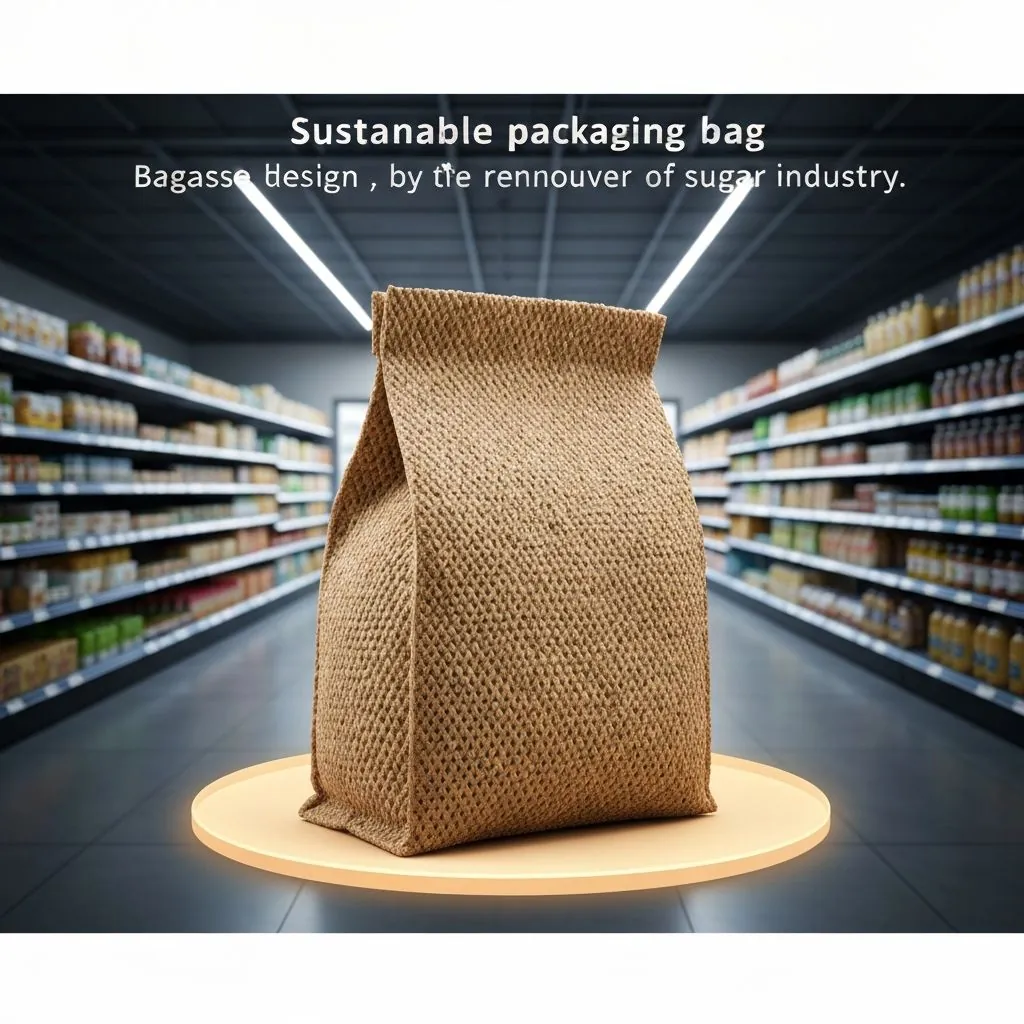
Premium Bagasse Tableware: The Complete Guide for Businesses
Everything businesses need to know about bagasse tableware — from material science to wholesale purchasing and global distribution.
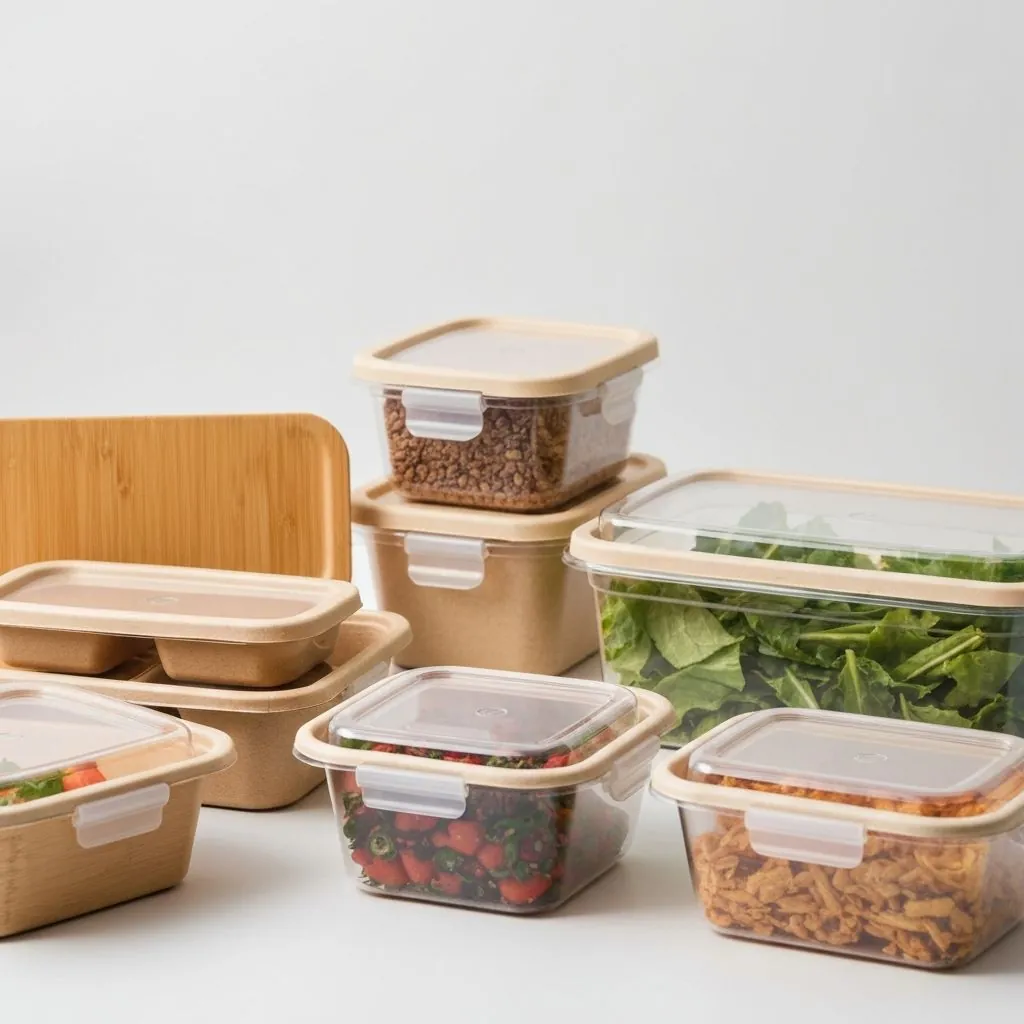
Eco-Friendly Food Packaging: A Complete Industry Guide
The definitive guide to eco-friendly food packaging — comparing materials, costs, certifications, and environmental impact for business decision-makers.
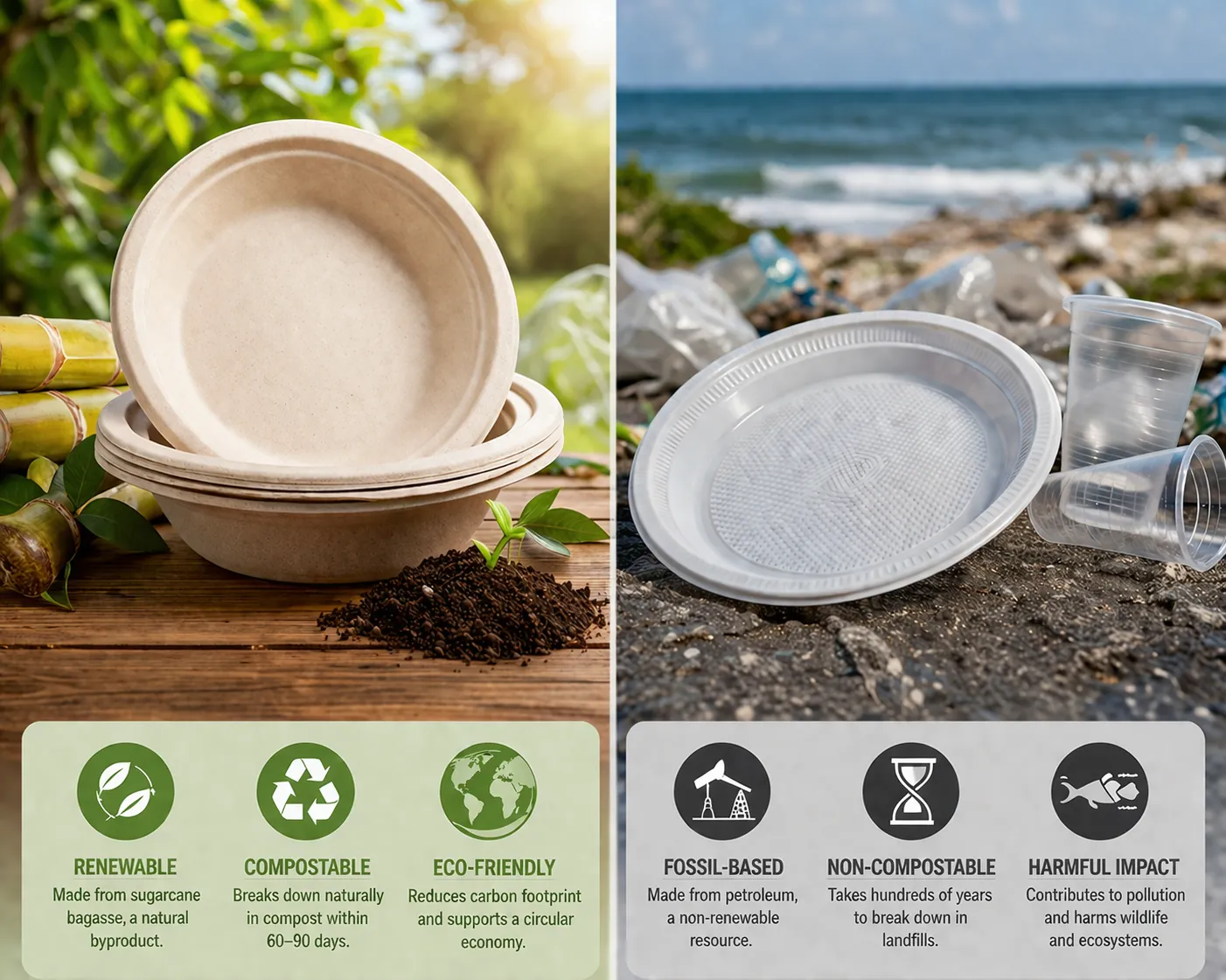
Bagasse vs Plastic Plates: A Complete Side‑By‑Side Comparison
A practical, data‑driven comparison of bagasse and plastic plates—covering performance, food safety, costs, regulations, and long‑term sustainability for food‑service businesses.

Biodegradable Food Containers: Types, Benefits, and Sourcing Guide
The definitive guide to biodegradable food containers — helping restaurants, caterers, and distributors choose the right sustainable packaging for their operations.
Ready to Transform Your Business?
Join distributors, restaurants, and catering brands worldwide already benefiting from our sustainable sugarcane bagasse solutions.