Eco-Friendly Food Packaging: A Complete Industry Guide
The definitive guide to eco-friendly food packaging — comparing materials, costs, certifications, and environmental impact for business decision-makers.
The Shift to Eco-Friendly Packaging
The global food packaging industry is undergoing its most significant transformation in decades. Driven by mounting environmental concerns, stringent government regulations, and evolving consumer expectations, businesses worldwide are rapidly transitioning from conventional plastic packaging to eco-friendly alternatives.
The scale of this shift is staggering. The global sustainable packaging market is projected to reach $440 billion by 2027, growing at a compound annual growth rate of 7.2%. This growth is fueled by a convergence of factors: over 127 countries have enacted legislation restricting single-use plastics, 73% of consumers actively seek environmentally responsible brands, and major corporations are making public commitments to eliminate plastic packaging from their operations.
For food service businesses, the transition to eco-friendly food packaging is no longer optional — it's a strategic imperative that affects regulatory compliance, customer retention, and long-term profitability.
This comprehensive guide examines the leading eco-friendly packaging materials, their comparative advantages and limitations, and provides practical guidance for businesses navigating this critical transition.
Leading Eco-Friendly Packaging Materials
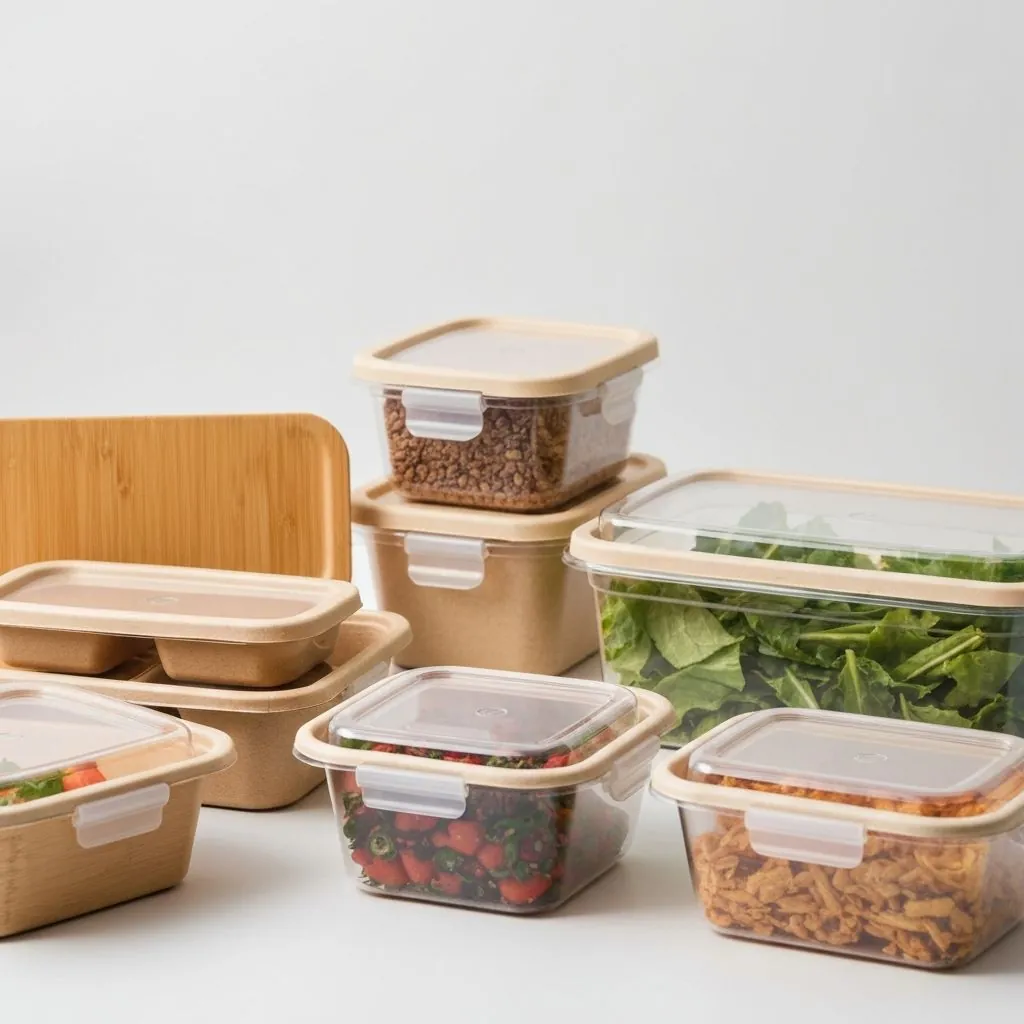
The sustainable packaging landscape offers several viable alternatives to conventional plastics. Understanding the characteristics of each material is essential for making informed procurement decisions.
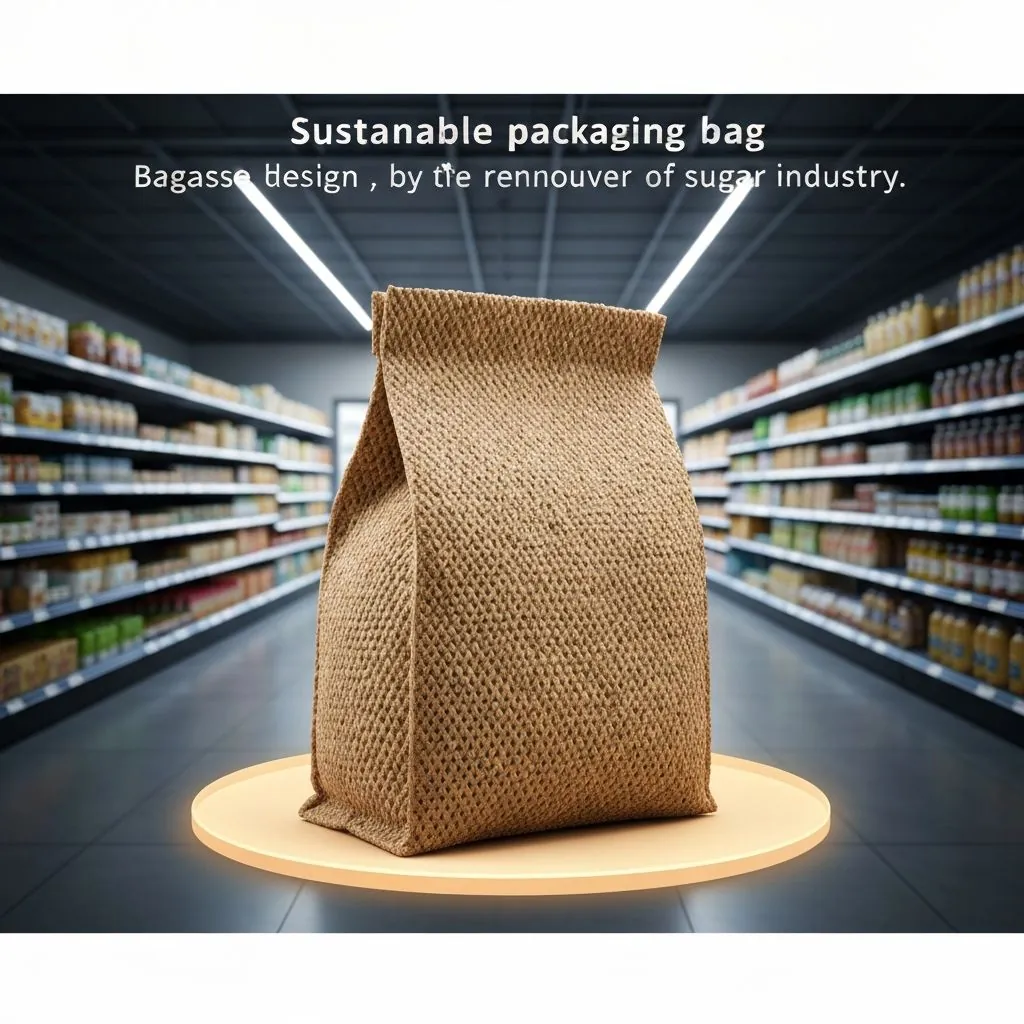
Sugarcane Bagasse — The leading contender for food service applications. Bagasse tableware is manufactured from sugarcane processing waste, offering superior structural integrity, heat resistance, and grease resistance. It decomposes within 60–90 days and carries comprehensive food-safety certifications.
PLA (Polylactic Acid) — A bioplastic derived from fermented plant starch (typically corn). PLA offers clarity similar to conventional plastic but requires industrial composting facilities and cannot withstand temperatures above 140°F, limiting its use for hot food applications.
Molded Fiber (Paper Pulp) — Made from recycled paper or virgin wood pulp. While widely available, paper-based packaging often requires plastic or wax coatings for moisture resistance, which can compromise compostability.
Palm Leaf — Naturally shed palm leaves pressed into tableware. While aesthetically distinctive, palm leaf products have limited availability, inconsistent sizing, and higher price points.
Bamboo Fiber — Fast-growing bamboo processed into disposable tableware. Bamboo products offer good rigidity but raise sustainability questions about monoculture farming practices.
Why Sugarcane Bagasse Leads the Market
Among the top eco-friendly packaging materials, sugarcane bagasse has emerged as the preferred choice for food service applications for several compelling reasons:
Performance Parity — Bagasse products match or exceed the functional performance of conventional plastic tableware. They handle hot foods (up to 220°F), resist grease and moisture, and maintain structural integrity throughout the meal service.
Genuine Sustainability — Unlike PLA which requires dedicated industrial composting, or paper products that may contain non-compostable coatings, bagasse is inherently and completely compostable. No special infrastructure is required for proper disposal.
Cost Competitiveness — Modern high-volume manufacturing, particularly from facilities in India and Southeast Asia, has brought bagasse tableware pricing to near-parity with plastic alternatives.
Agricultural Waste Utilization — Bagasse uses an existing agricultural byproduct, requiring no additional land use, deforestation, or crop cultivation. This positions it as the most resource-efficient sustainable packaging material available.
Comprehensive Certifications — Leading manufacturers like Greenmendbio hold FDA, ISO, ASTM D6400, and EN 13432 certifications, providing regulatory assurance across global markets.
Making the Transition: A Business Roadmap
Transitioning to eco-friendly packaging requires strategic planning. Here is a proven roadmap for food service businesses:
Phase 1: Assessment — Audit your current packaging usage, identify high-volume items, and evaluate customer touchpoints where sustainable packaging creates maximum brand impact.
Phase 2: Sourcing — Partner with established manufacturers who can provide consistent quality, competitive pricing, and reliable supply. Request a quote from Greenmendbio to explore options.
Phase 3: Testing — Conduct operational trials with selected products to validate performance across your menu items, storage requirements, and delivery workflows.
Phase 4: Communication — Develop customer-facing messaging that highlights your sustainability commitment. Studies show that transparent communication about packaging choices increases customer loyalty by up to 25%.
Phase 5: Scale — Roll out sustainable packaging across all product lines, establishing supplier agreements that provide volume pricing and supply chain predictability.
Frequently Asked Questions
What is the most eco-friendly food packaging material?
Sugarcane bagasse is widely regarded as the most eco-friendly food packaging material due to its use of agricultural waste, complete compostability, and superior performance characteristics for food service applications.
Is eco-friendly food packaging more expensive than plastic?
Modern manufacturing has significantly reduced the cost gap. Bagasse tableware is often priced competitively with plastic, and when accounting for disposal costs and regulatory compliance, sustainable packaging frequently delivers better total value.
Can eco-friendly packaging be used for hot foods?
Yes. Sugarcane bagasse packaging safely handles hot foods up to 220°F. However, some alternatives like PLA have temperature limitations (max 140°F), so material selection should match your specific food service requirements.
How long does eco-friendly packaging take to decompose?
Decomposition varies by material. Bagasse decomposes in 60–90 days in commercial composting, while PLA may take 3–6 months. Paper products decompose within weeks but may leave non-compostable coating residues.
Related Editorial
Premium Bagasse Tableware: The Complete Guide for Businesses
Everything businesses need to know about bagasse tableware — from material science to wholesale purchasing and global distribution.
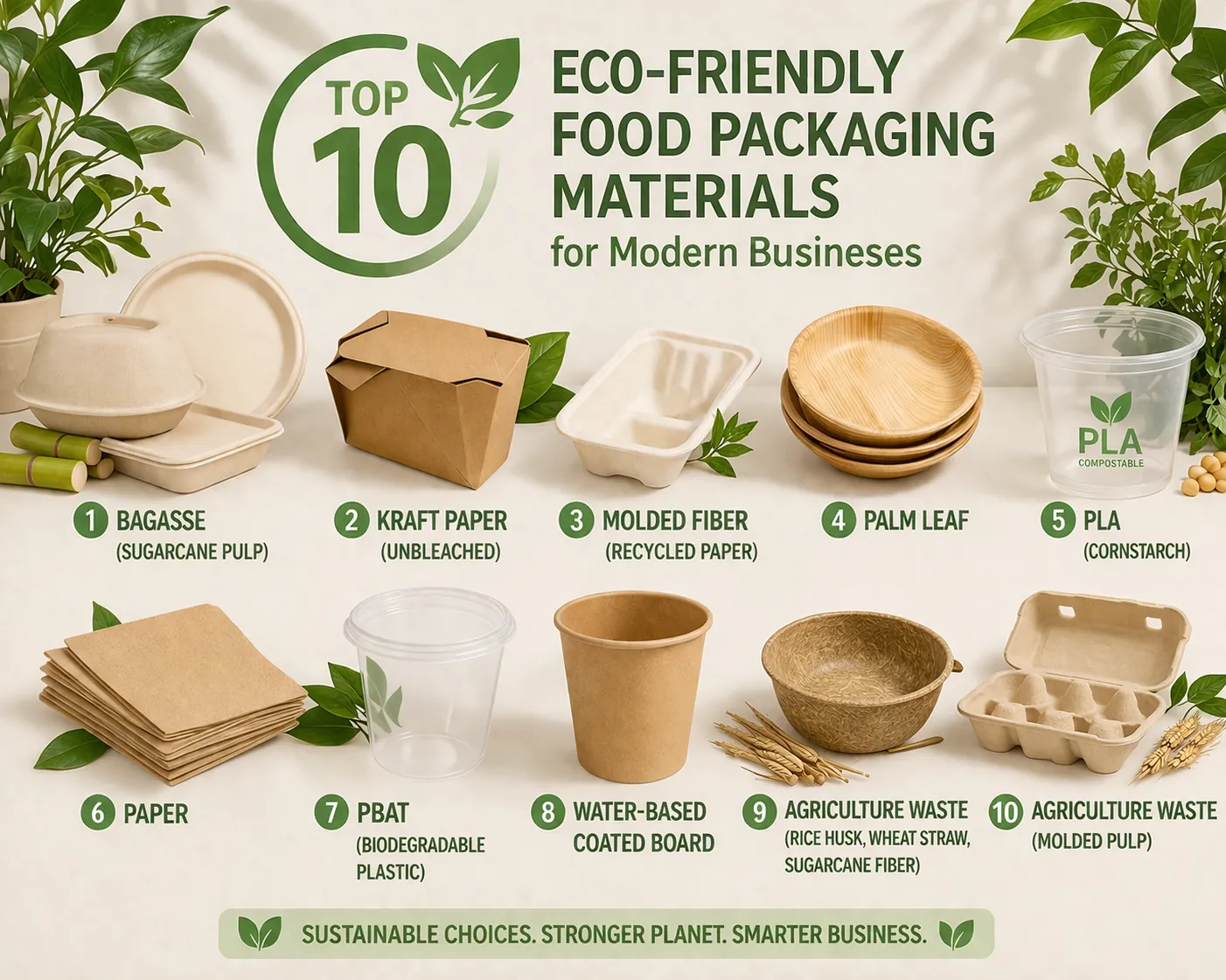
Top 10 Eco‑Friendly Food Packaging Materials for Modern Businesses
A practical, business‑focused overview of the world’s leading eco‑friendly food packaging materials—with clear pros, cons, and ideal use cases for each option.
Ready to Transform Your Business?
Join distributors, restaurants, and catering brands worldwide already benefiting from our sustainable sugarcane bagasse solutions.