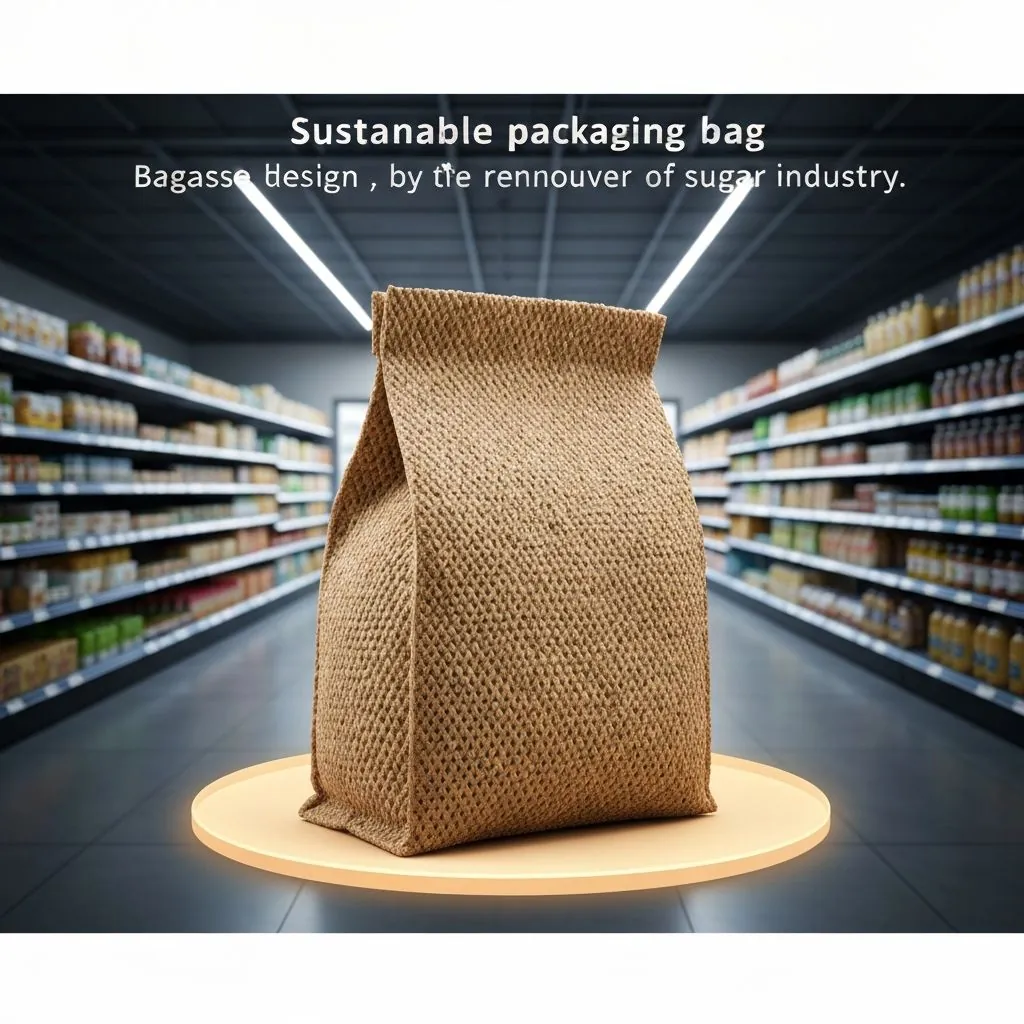
The Future of Sustainable Packaging: Sugarcane Bagasse Revolution
Discover how bagasse tableware is transforming the food service industry. Learn about environmental impact and business benefits.
Understanding the Challenge
The food service industry generates millions of tons of packaging waste annually. Traditional plastic containers take centuries to decompose, while paper products often contain harmful coatings. This crisis has prompted businesses worldwide to seek sustainable alternatives that don't compromise on quality or functionality.
According to the United Nations Environment Programme (UNEP), approximately 8 million metric tons of plastic waste enters the oceans each year. The food packaging sector contributes significantly to this figure. As consumers become more environmentally conscious, there is a growing demand for packaging that aligns with their values.
Governments worldwide have begun implementing strict regulations on single-use plastics, creating both a challenge and an opportunity for businesses to transition to sustainable alternatives like sugarcane bagasse.
Why Bagasse?
Sugarcane bagasse offers a compelling solution. It's a natural fibrous byproduct that would otherwise be discarded during sugar production. When processed into tableware, it creates products that are:
- 100% compostable and biodegradable
- Free from harmful chemicals and plastic coatings
- Fully functional and food-safe
- Competitively priced compared to alternatives
- Produced from renewable resources
Bagasse tableware decomposes naturally within 60–90 days in commercial composting facilities, compared to the 400+ years required for conventional plastics. This makes it one of the most environmentally responsible choices available today.
Global Market Trends
Major corporations including McDonald's, Starbucks, and countless restaurants have already committed to replacing plastic and styrofoam with eco-friendly alternatives. Market research indicates the sustainable food packaging market will grow by 12% annually through 2030. Early adopters are gaining competitive advantages and customer loyalty.
The global bagasse tableware market was valued at $1.2 billion in 2023 and is projected to reach $2.8 billion by 2030. This growth is driven by regulatory pressures, consumer demand for sustainable products, and the superior performance characteristics of bagasse-based packaging.
The Environmental Impact
Switching to bagasse tableware can significantly reduce your environmental footprint:
- Diverts agricultural waste from landfills
- Eliminates plastic pollution in oceans
- Reduces carbon footprint compared to virgin plastic
- Supports circular economy principles
- Contributes to compost generation for soil enrichment
Every ton of bagasse tableware produced prevents approximately 2.5 tons of CO₂ emissions compared to equivalent plastic production. By choosing eco-friendly food packaging, businesses can make a measurable impact on their sustainability goals.
Business Benefits
Beyond environmental responsibility, bagasse adoption offers tangible business advantages. Brands that embrace sustainability attract environmentally conscious consumers, improve their public image, and often achieve cost parity with traditional options.
Additionally, many regions are implementing regulations that will make traditional packaging increasingly expensive. By transitioning now, businesses position themselves ahead of regulatory changes while building brand equity with sustainability-focused consumers.
Explore our full range of sugarcane bagasse products to find the right fit for your business needs.
Frequently Asked Questions
What is sugarcane bagasse?
Sugarcane bagasse is the dry fibrous residue left after sugarcane stalks are crushed to extract their juice. It is a renewable agricultural byproduct that can be transformed into durable, eco-friendly tableware.
Is bagasse tableware microwave safe?
Yes, bagasse tableware is microwave safe and can withstand temperatures up to 220°F (100°C) without deforming or releasing harmful chemicals.
How long does bagasse take to decompose?
Bagasse tableware decomposes within 60–90 days in commercial composting facilities and within 6–12 months in home composting environments.
Related Editorial
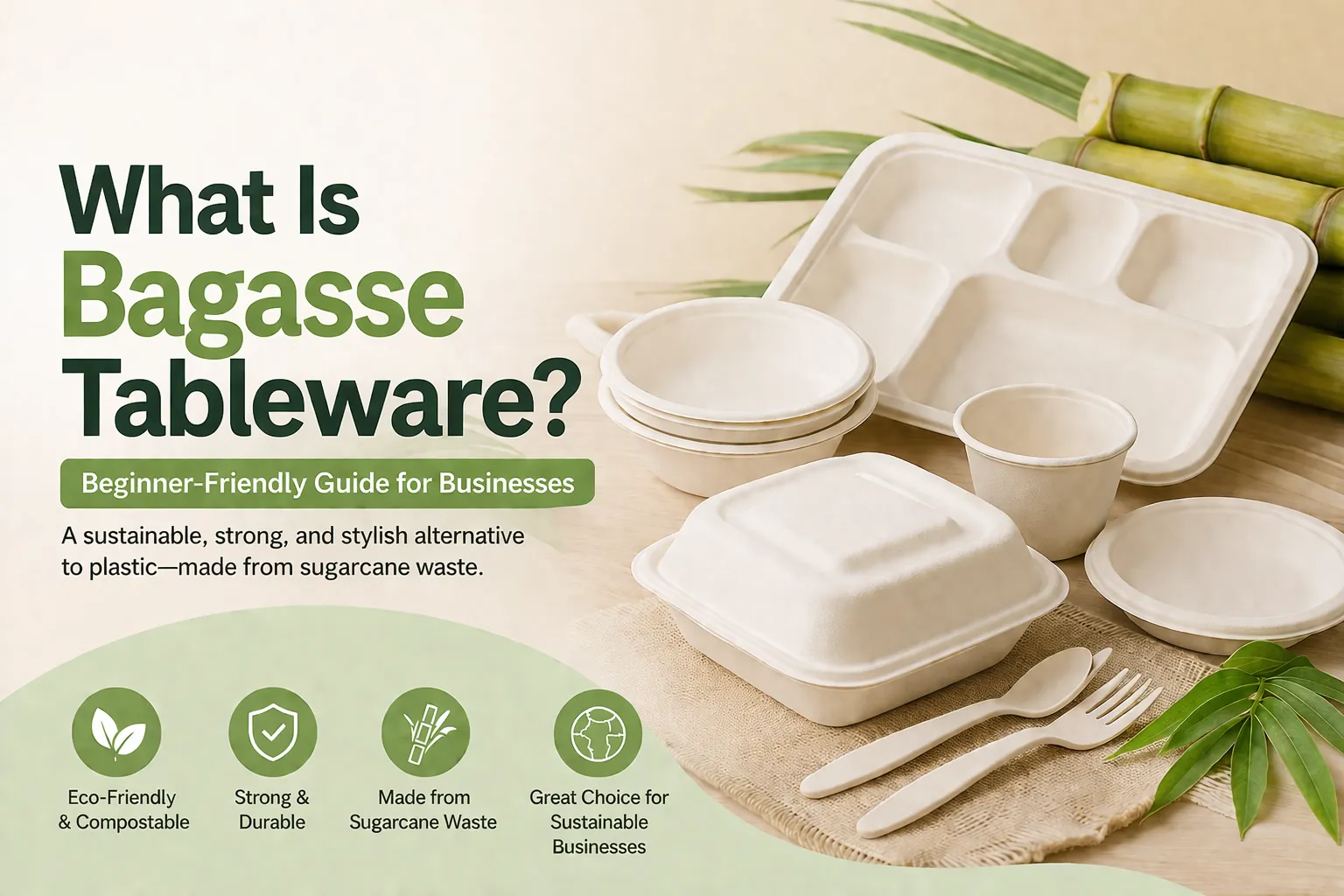
What Is Bagasse Tableware? Beginner-Friendly Guide for Businesses
A clear, non-technical explanation of bagasse tableware — what it is, how it is made, and why it has become the preferred eco-friendly alternative to plastic and paper disposables.
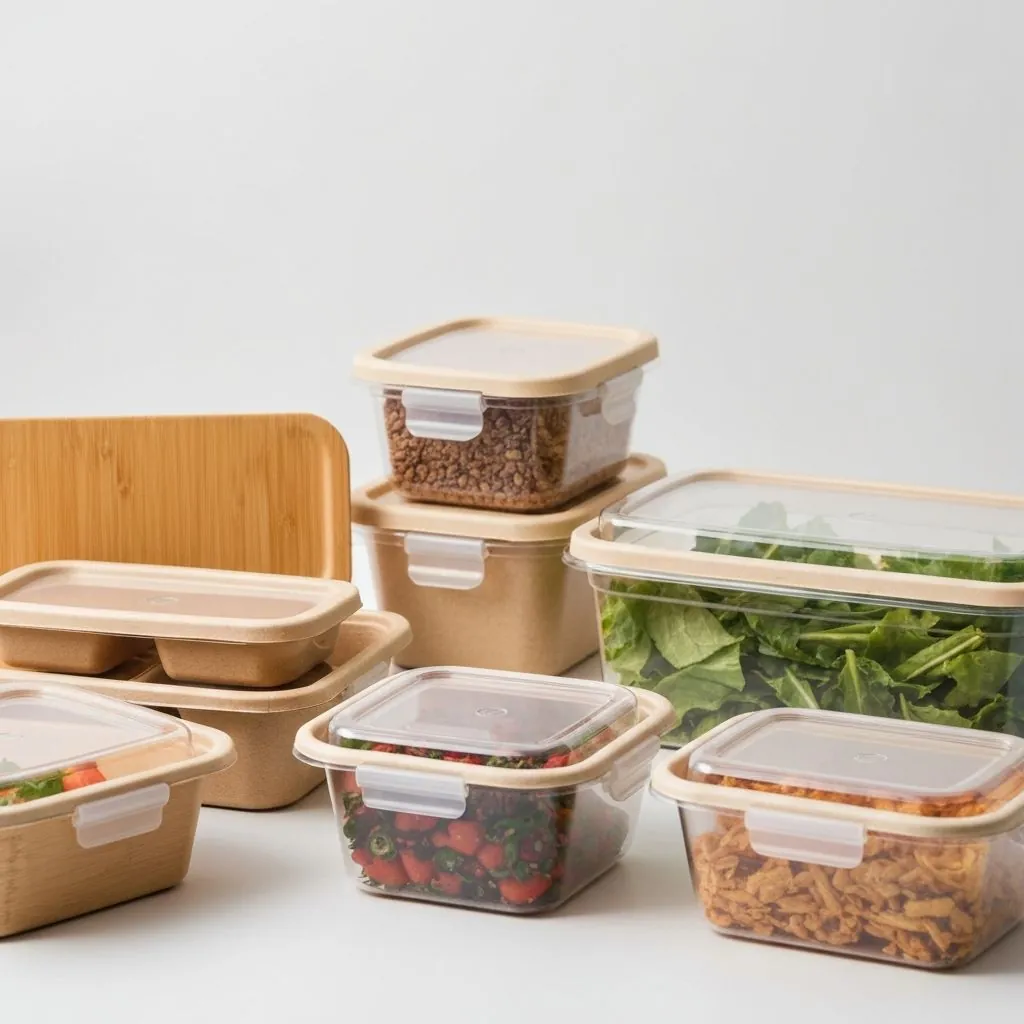
Eco-Friendly Food Packaging: A Complete Industry Guide
The definitive guide to eco-friendly food packaging — comparing materials, costs, certifications, and environmental impact for business decision-makers.
Ready to Transform Your Business?
Join distributors, restaurants, and catering brands worldwide already benefiting from our sustainable sugarcane bagasse solutions.